
How to Choose Fine Jewelry That Lasts a Lifetime – When choosing fine jewelry that endures the test of time, understanding quality is paramount. The principal elements that contribute to the quality of jewelry include the materials used, the craftsmanship involved, and the reputation of the brand. Each of these factors plays a crucial role in determining not only the aesthetic appeal of the piece but also its longevity.
Materials form the foundation of any fine jewelry piece. Metals such as gold, platinum, and silver exhibit distinct characteristics that dictate their quality. For instance, gold is available in various purities, with options like 10k, 14k, and 18k representing the ratio of pure gold mixed with other metals. While 10k gold is durable and affordable, 18k gold contains a higher percentage of pure gold, which may contribute to a richer color and a more luxurious feel. It is essential to evaluate these differences before making a purchase, as a higher karat typically indicates a more valuable and refined piece.
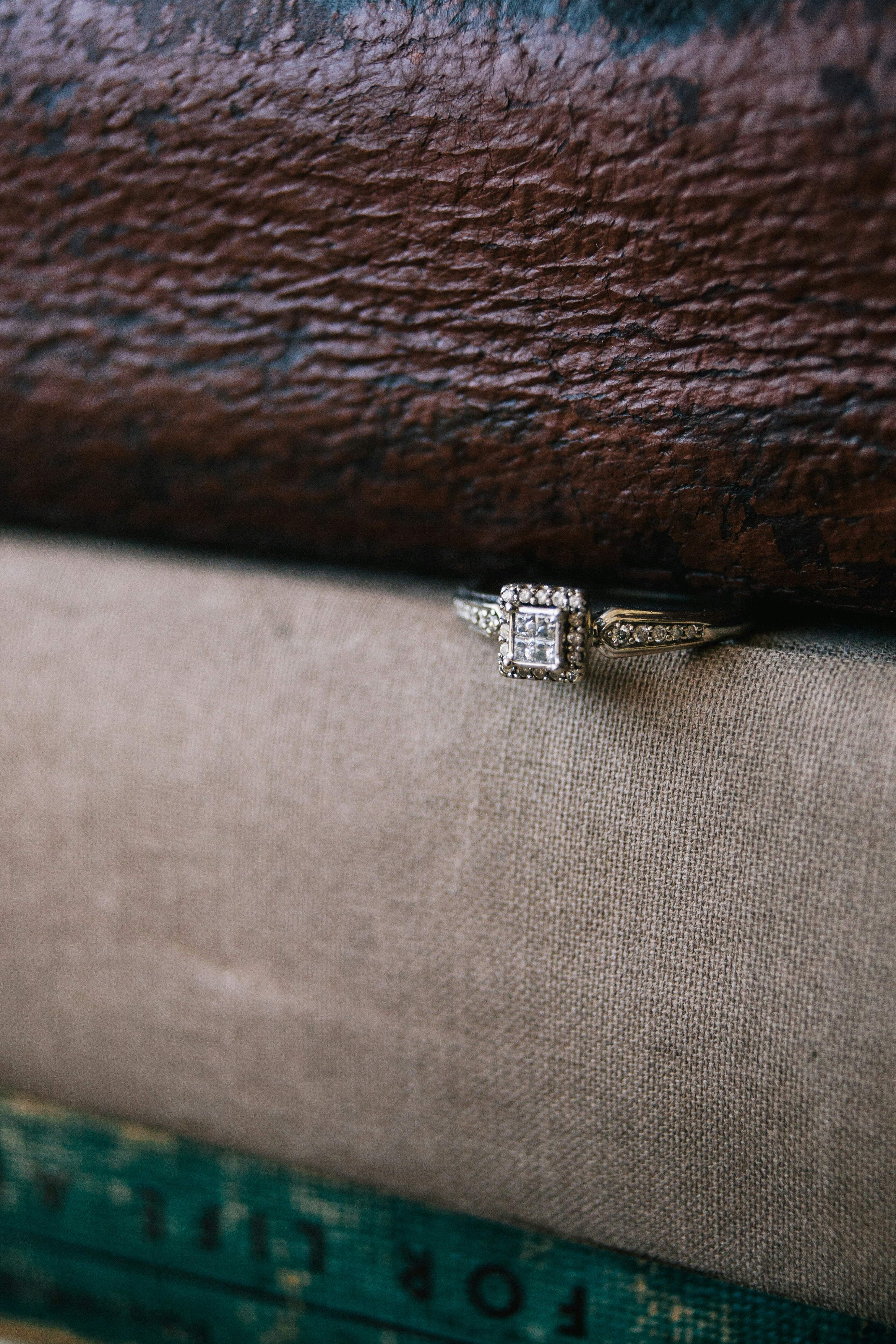
Another critical factor is the gemstones used in fine jewelry. The quality of gemstones is often assessed through certification, which provides buyers with assurance regarding their authenticity. Certifications, like those from the Gemological Institute of America (GIA), offer insights into the cut, clarity, color, and carat weight of a gemstone, ensuring that you are making an informed investment. An understanding of these grading systems will allow you to appreciate the true value of the gems in your jewelry.
Craftsmanship is also an indicator of quality that cannot be overlooked. Well-crafted jewelry reflects a high level of skill and attention to detail. When examining a piece, look for uniform settings, smooth finishes, and the absence of any visible flaws or imperfections. These details signify that the piece has been meticulously crafted, ensuring that it can withstand daily wear while retaining its beauty.
Styles and Personalization: Finding the Right Fit for You
Choosing fine jewelry that resonates with one’s personal style and lifestyle is a crucial aspect of curating a timeless collection. Personal style can often be defined through three primary styles: classic, bohemian, and contemporary. A classic style often includes traditional designs that emphasize elegance and simplicity, whereas bohemian styles resonate with free-spirited individuals who appreciate unique, artistic pieces. Contemporary jewelry appeals to those who enjoy modern aesthetics, typically characterized by innovative designs and materials.
When selecting jewelry, it is important to match pieces with wardrobe selections. Fine jewelry should enhance outfits rather than compete for attention. For example, understated rings and necklaces complement formal attire, while statement pieces serve as focal points for simpler clothing. Thus, understanding the occasion and attire will guide one to select jewelry that truly harmonizes with their look.
The trend of personalized jewelry has gained significant traction in recent years. Engravings, birthstones, and custom designs allow individuals to infuse their pieces with personal significance. A piece of jewelry that reflects meaningful relationships, notable life experiences, or personal milestones can serve as a cherished emblem of one’s journey. As such, prioritizing personalization can enhance emotional connections to fine jewelry.
Incorporating timeless elegance into everyday wear is a vital consideration when investing in fine jewelry. Pieces designed with enduring styles—such as pearl earrings, diamond solitaires, or gold chains—can seamlessly transition from casual outings to formal events. Therefore, when choosing fine jewelry, one should consider versatility alongside its ability to withstand fleeting fashion trends, ensuring it remains a beloved element of one’s collection for years to come.
Investing in Fine Jewelry: Value and Longevity
When considering fine jewelry, it is essential to view it as an investment rather than merely a purchase. The intrinsic value of high-quality jewelry often appreciates over time, making it a favorable addition to any financial portfolio. Factors such as craftsmanship, the materials used, and brand reputation play crucial roles in determining both immediate and long-term value.
Collectors and investors typically gravitate towards pieces that offer a high potential for appreciation. For instance, items featuring rare gemstones or unique designs tend to hold or even increase in value over time. Additionally, vintage jewelry often captures the interest of collectors, sometimes fetching much higher prices than their original cost. Understanding the resale market is also vital. Established auction houses and reputable jewelers can provide insight into current trends and values, helping potential investors make informed decisions.
Budget management is a significant component of investing in fine jewelry. It’s important to establish a clear budget and prioritize quality over quantity. Consider investing in a few high-quality pieces rather than several lower-quality items. Investing in timeless designs can be particularly advantageous, as they tend to withstand changing fashion trends and maintain their appeal. Furthermore, buying items with certifications or appraisals ensures you are purchasing pieces of true value, providing added security for your investment.
In conclusion, the financial aspects of purchasing fine jewelry should not be overlooked. By treating jewelry as a long-term investment, you can enjoy both its beauty and its financial benefits. Making informed choices and understanding the market dynamics will ensure that your fine jewelry lasts a lifetime, both in terms of style and value.
Caring for Your Jewelry: Maintenance for Lasting Beauty
Maintaining the beauty of fine jewelry requires regular care and attention. To ensure that each piece remains in pristine condition, it is essential to practice proper cleaning, storing, and protecting techniques. The first step in jewelry maintenance is cleaning. Fine jewelry should be cleansed with warm water and a gentle soap. A soft cloth can be used to wipe away dirt or oils, particularly from gemstones and metals. Avoid harsh chemicals that can tarnish or damage the jewelry’s finish.
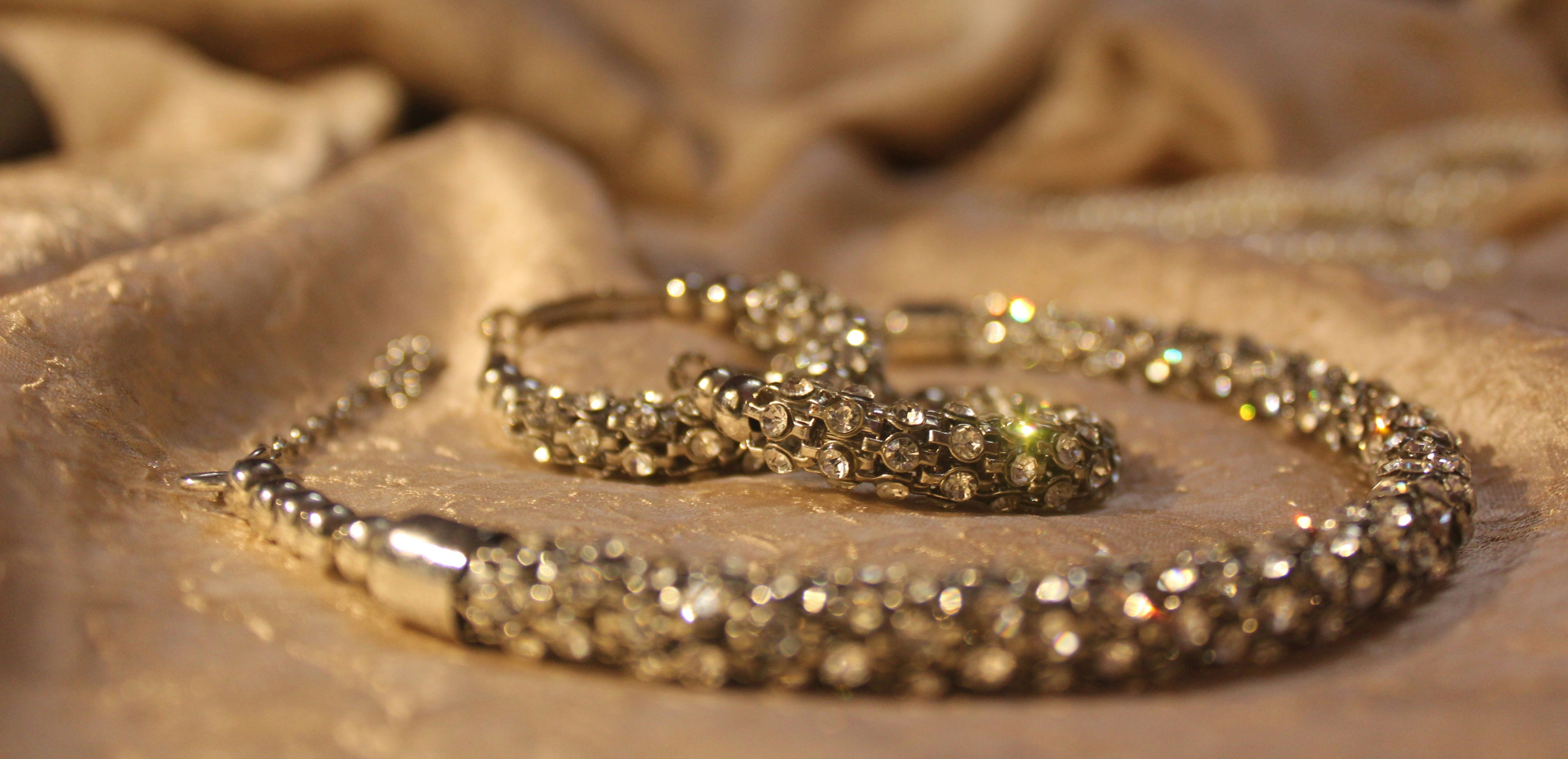
Proper storage is another critical element in preserving jewelry. Fine pieces should be stored separately in soft pouches or a jewelry box lined with fabric to prevent scratching. For necklaces and bracelets, consider using anti-tarnish pouches or cloths, as these can significantly prolong the life of the piece. Additionally, it is advisable to avoid storing jewelry in humid environments, as moisture can lead to tarnishing and deterioration.
Protecting your fine jewelry from wear and tear is crucial. Be mindful to remove rings, bracelets, and necklaces during activities that may expose them to impact, dirt, or chemicals, such as exercising, cleaning, or swimming. Regular professional maintenance is also paramount; visiting a jeweler for inspections and repairs can identify any issues, such as loose stones or bent prongs, before they result in further damage.
Scheduling annual or biannual check-ups with a professional jeweler can help ensure that your jewelry remains in excellent condition. By integrating these practices into your routine, you can maintain the aesthetic appeal and structural integrity of your fine jewelry for years to come. Ultimately, taking the time to care for your jewelry not only enhances its appearance but also preserves its sentimental value, making it a cherished part of your collection for a lifetime.