

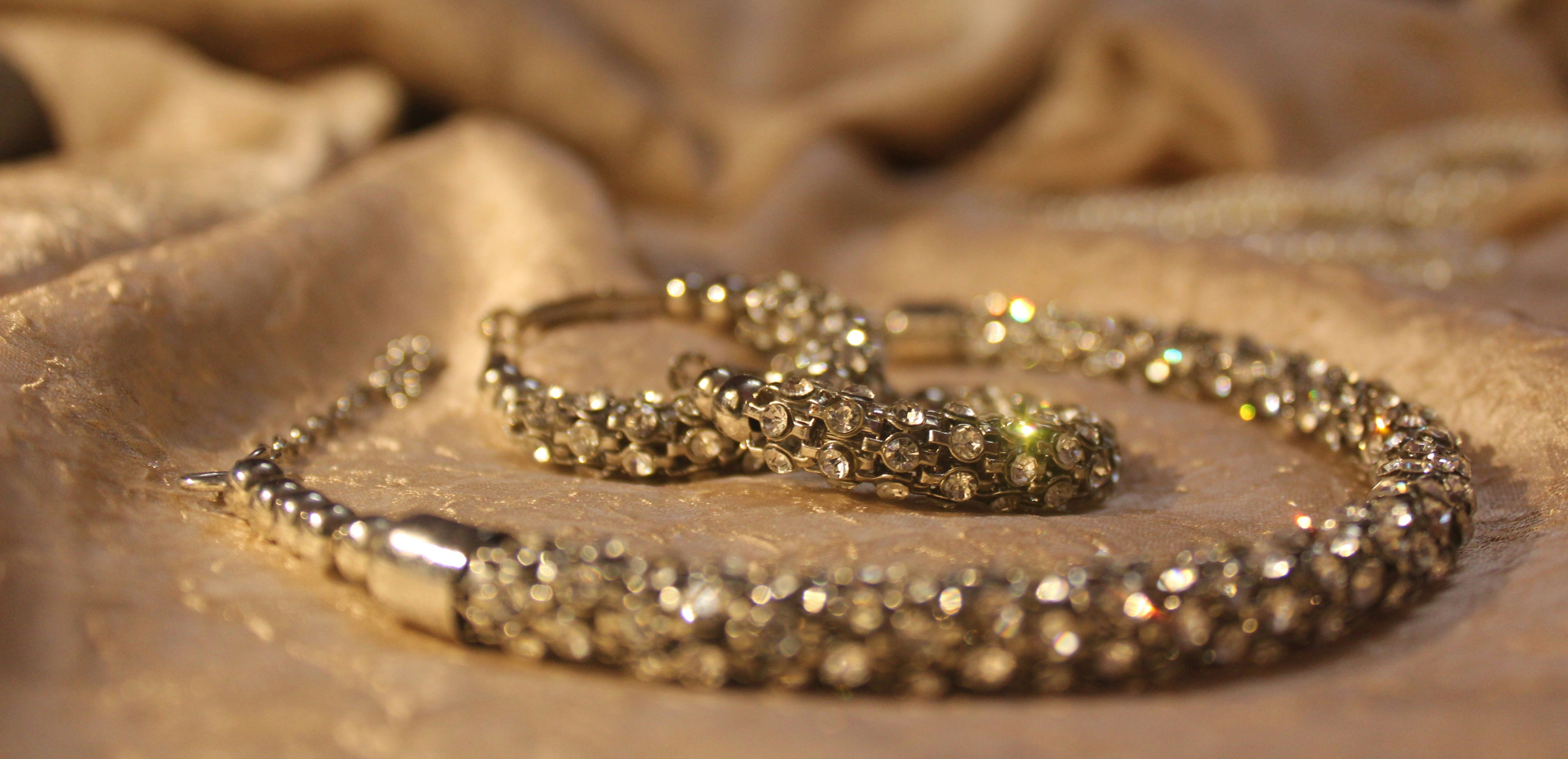
The Craftsmanship of Fine Jewelry
The artistry involved in the creation of fine jewelry is a profound journey that marries creativity with meticulous technical skill. From the initial stage of design conception to the intricate finishing touches, each piece of jewelry is a testament to the dedication of artisans who have honed their craft over many years. The craftsmanship is not merely a process; it is a reflection of passion, precision, and artistry.
One of the core components of jewelry making is metalworking. This technique involves shaping and manipulating precious metals such as gold, silver, and platinum to form the base of the jewelry piece. Artisans employ various methods, including soldering, casting, and forging, to create unique structures that serve as the foundation for their artistic expressions. These techniques enable the transformation of raw materials into luxurious forms that can be both worn and revered.
Engraving further adds to the customization of fine jewelry, allowing for intricate designs or personal inscriptions that enhance the piece’s significance. This art form requires not only skilled hands but also a keen eye for detail, as the engraver etches delicate patterns or messages onto the metal surface. In addition, gem setting plays a crucial role in fine jewelry craftsmanship. Setting gemstones involves securing them in place so they can be showcased to their fullest potential. The precision required in this technique ensures that each gemstone is displayed beautifully while maintaining the structural integrity of the piece.
In essence, the craftsmanship of fine jewelry elevates ordinary adornments to the realm of art. By employing various techniques, artisans create stunning works that are not only visually captivating but also carry deep meanings and personal stories for their wearers. This intricate craftsmanship is what sets fine jewelry apart in a world filled with mass-produced items, making it a truly luxurious experience.
Understanding Gemstone Characteristics
Jewelry enthusiasts often find themselves enchanted by the allure of gemstones. Each type of gemstone possesses distinct characteristics that contribute to its uniqueness and desirability. The four principal attributes to consider when evaluating gemstones are color, clarity, cut, and carat weight, commonly referred to as the “Four Cs”.
Color is perhaps the most visible characteristic and can range widely among gemstones. It includes hue, tone, and saturation, which all work together to produce the gemstone’s final appearance. For instance, a well-saturated blue sapphire is immeasurably more desirable than a pale version. Clarity indicates the absence of internal flaws or inclusions. Gems with fewer imperfections are typically more valuable as they allow for better light reflection and brilliance.
The cut of a gemstone refers to how well it has been shaped and faceted, directly influencing its overall appearance. An expertly cut diamond maximizes the stone’s light performance, creating exquisite sparkle. Additionally, carat weight reflects the size of the gemstone, which also significantly affects its value. However, it’s essential to note that two gems with the same carat weight can have vastly different values based on their cut, color, and clarity.
When classifying gemstones, it is crucial to differentiate between natural, synthetic, and treated stones. Natural gemstones are formed through geological processes over time, making them unique. Synthetic gemstones, on the other hand, are created in laboratories with similar properties but are generally less valuable than their natural counterparts. Treated gemstones have undergone enhancements to improve their appearance, such as heat treatment to deepen color. Such treatments can affect a stone’s market value and desirability. Understanding these gemstone characteristics serves as a vital foundation for appreciating the complexities of jewelry.
Current Fashion Trends in Jewelry
As the world of fashion continues to evolve, so too does the realm of jewelry. Currently, the trends in jewelry are characterized by a delightful blend of bold styles and understated elegance, driven largely by influential figures in the fashion industry, including celebrities and social media influencers. These trendsetters play a significant role in shaping consumer preferences, showcasing unique pieces that resonate with a broad audience.
One prominent trend is the increasing popularity of statement jewelry, which includes oversized earrings, chunky rings, and layered necklaces that demand attention. Such pieces are often rich in color and texture, making them ideal for personal expression. Alongside this trend, minimalist designs have surged in popularity, characterized by their simplicity and elegance. Consumers are increasingly drawn to delicate chains and dainty rings that can be easily layered or worn alone, allowing for versatile styling options.
In addition to these modern designs, there has been a notable resurgence of vintage jewelry. Many consumers are turning to antique and retro pieces, often discovering unique gems from past eras that carry a story and distinctive charm. This revival showcases how jewelry is not merely an accessory but also a reflection of personal history and nostalgia.
Materials play a significant role in these trends as well. In recent years, sustainable practices have become essential, and many brands are now utilizing ethically sourced or recycled materials in their creations. This shift not only reflects a growing consumer awareness surrounding environmental issues but also demonstrates a broader trend toward responsible consumption.
As we observe these evolving trends, it is evident that the world of jewelry is vibrant, diverse, and continually adapting to contemporary tastes, showcasing an interplay between the old and the new.
Investing in Jewelry: A Smart Choice?
Investing in jewelry has gained popularity in recent years as individuals seek alternative assets to diversify their portfolios. As tangible assets, gemstones and precious metals wield a unique appeal, combining aesthetic pleasure with financial potential. The jewelry market is not only a realm of elegance but also a strategic avenue for wealth accumulation.
One key factor contributing to the value growth of jewelry is rarity. The most sought-after gemstones, such as diamonds, rubies, and sapphires, are increasingly becoming rarer due to limited supply and high demand. As a result, their long-term investment potential can be significant. Additionally, precious metals like gold and platinum have historical resilience during economic downturns, often retaining or increasing their intrinsic value.Factors such as craftsmanship, brand reputation, and the overall condition of the piece also play critical roles in determining a jewelry item’s value. Renowned auction houses like Sotheby’s and Christie’s frequently feature high-value pieces, setting trends for price appreciation across various markets. The sale of iconic jewelry at auctions often influences the desirability and pricing of similar items in the retail sector. Consequently, monitoring market trends and high-profile auctions can provide valuable insights into jewelry investment opportunities.
To enhance the potential for value retention, it is crucial for investors to maintain the jewelry’s original condition. Proper storage in suitable environments, regular cleaning, and servicing can prevent deterioration. Additionally, acquiring jewelry with documented provenance and certifications can bolster an investment’s authenticity, further securing its value. Ultimately, for those willing to navigate the intricacies of the jewelry market, investing in gemstones and precious metals presents an engaging opportunity for both financial growth and personal enjoyment.
Ethical Sourcing in the Jewelry Industry
The jewelry industry, while often celebrated for its beauty and luxury, has a darker side that warrantsAttention: the practices involved in sourcing the precious metals and gemstones that adorn our bodies. Ethical sourcing is crucial for ensuring that the materials used in jewelry come from sustainable and responsible sources. Unfortunately, many gemstones, such as diamonds, emeralds, and gold, are often mined in environments where labor rights are disregarded, leading to exploitation and environmental degradation.
Unethical mining practices, particularly in developing countries, can have severe consequences. They may include child labor, unsafe working conditions, and the degradation of local ecosystems. For instance, conflicts fueled by the illegal trade of conflict diamonds have been notorious for financing violence and human rights abuses. As consumers become increasingly aware of these issues, the demand for ethically sourced jewelry has risen. This shift in consumer consciousness encourages manufacturers and retailers to adopt fair trade practices and prioritize sustainability in their sourcing methods.
Consumers can play a pivotal role in promoting ethical sourcing by making informed purchasing decisions. It is advisable to seek out brands that are transparent about their supply chains and commit to responsible practices. Many jewelry companies now proudly highlight their dedication to ethical sourcing, often providing certifications that assure customers of their compliance with fair trade standards. Brands like Brilliant Earth and Fairmined emphasize sustainable mining and guarantee that their materials are sourced in a manner that respects human rights and environmental protocols.
In the vast world of jewelry, choosing ethically sourced pieces not only contributes to the beauty of adornment but also supports positive change in the industry. By opting for brands that prioritize ethical sourcing, consumers can enjoy exquisite jewelry while also fostering social responsibility and environmental sustainability.
A Comprehensive Buying Guide for Jewelry
Purchasing jewelry is often a significant investment, and it requires careful consideration of several factors to ensure that you select the right piece for any occasion. When it comes to buying jewelry, it is essential to consider the purpose of the piece. For casual settings, such as everyday wear or a casual outing, choose pieces that are versatile and comfortable. In contrast, for special occasions like weddings or formal events, look for more elaborate designs that showcase sophistication and elegance.
Budget is another crucial factor. Setting a clear budget prior to shopping will help narrow down your options and prevent impulsive purchases. Remember that affordability does not necessarily equate to lower quality. Many reputable jewelers offer a range of jewelry within different price brackets, making it possible to find high-quality pieces at various price points. It is also worth noting that certain gemstones and precious metals, such as gold or platinum, command a higher price due to their rarity and inherent value.
Quality should also be a primary consideration in your purchasing decision. Examine the craftsmanship of the jewelry, including the settings and finish. Look for noticeable signs of excellent construction, such as secure stone settings and smooth edges. Additionally, request certification for gemstones and metals, as these documents provide assurance concerning quality and authenticity. Certifications ensure that the materials used meet specific standards and can add value to your purchase.
Finally, it is advisable to purchase jewelry from reputable dealers or well-known brands that provide transparency regarding their sourcing practices. Doing thorough research and consulting with knowledgeable sales representatives can enhance your jewelry purchasing experience. By weighing these considerations, you can be confident in your choice and invest in timeless pieces that you will cherish for years to come.
Maintaining Your Jewelry for Longevity
The care and maintenance of your jewelry are paramount to ensuring that your cherished pieces remain in excellent condition for years to come. With proper attention, you can preserve the beauty of gemstones, pearls, and precious metals alike. One crucial aspect of jewelry care is regular cleaning, which can be achieved using simple methods. A mild detergent mixed with warm water can be used to gently clean most jewelry, while a soft-bristle brush helps remove dirt from intricate designs. For more delicate items, such as those featuring gemstones like opals or pearls, it is advisable to use a slightly damp cloth instead.
When it comes to storing your jewelry, it is essential to keep each piece separate to avoid scratches and tangling. Soft pouches or padded boxes are ideal for this purpose. Avoid storing fine jewelry in direct sunlight or humid areas, as exposure to excessive light and moisture can deteriorate certain gemstones and metals. Furthermore, it is wise to keep your jewelry away from harsh chemicals, such as household cleaners or chlorine, which can cause irreparable damage.
Protecting your jewelry from damage also includes being mindful during activities that may subject your pieces to wear and tear. For example, it is advisable to remove rings, bracelets, and necklaces prior to exercising or engaging in heavy housework. Another critical practice for maintaining your jewelry involves regular inspections; at least once a year, inspect your pieces for any signs of wear, such as loose stones or weakened clasps. Consulting a professional jeweler for maintenance can provide an added layer of assurance. They are equipped to perform thorough cleanings or repairs, ensuring that your fine jewelry maintains its integrity and allure long-term.
Styling Tips for Every Occasion
When it comes to accessorizing with jewelry, understanding how to style pieces appropriately for various occasions is vital. From casual outings to formal events, jewelry can significantly enhance an outfit, reflecting personal style and sophistication. Here are some essential tips on how to navigate jewelry choices for different settings.
For casual settings, opt for minimalist jewelry that complements your outfit without overwhelming it. Simple stud earrings or a delicate pendant can add a subtle touch of elegance while keeping the look laid-back. Layering is an effective technique for casual occasions; consider wearing a few slim bracelets together or layering necklaces of different lengths to create a chic, relaxed vibe.
When dressing for semi-formal events, you can explore mixing metals—pairing gold with silver or rose gold for a modern twist. Statement pieces, such as a bold cuff bracelet or chandelier earrings, can transform a simple outfit into a stunning ensemble. However, it’s important to keep a balance; if you choose a striking statement piece, keep the rest of your jewelry minimal to prevent competition among accessories.
For more formal gatherings, elegant pieces crafted from precious metals and gemstones can elevate any attire. Consider a classic pearl necklace or diamond studs as timeless options that exude sophistication. Matching jewelry with your outfit is crucial; if your attire features intricate embellishments, choose simpler, understated jewelry to let the outfit shine. Conversely, with a plain dress or suit, more elaborate jewelry can provide that necessary pop.
Ultimately, the key to styling jewelry lies in personal expression and comfort. Always choose pieces that resonate with your individual style while ensuring they harmonize well with your chosen outfits, allowing your jewelry to enhance your overall appearance.
Historical Perspectives on Jewelry and Gemstones
The history of jewelry is a rich tapestry interwoven with cultural significance, artistic expression, and evolving trends. From ancient civilizations, where jewelry functioned as an amulet with mystical properties, to contemporary designs that serve as personal statements, the journey of jewelry continues to captivate. In ancient Egypt, gold and gemstones were favored, with royal figures such as King Tutankhamun adorned in significant pieces. For instance, the discovery of King Tut’s tomb revealed ornate gold jewelry featuring precious stones like lapis lazuli and turquoise, which symbolized power and protection.
During the Roman Empire, the demand for pearls soared, as they were seen as emblems of wealth and status. The Romans also innovated techniques that allowed for the incorporation of gemstones into the design of rings and necklaces, setting a standard for future craftsmanship. The Middle Ages, on the other hand, experienced a shift towards religious motifs, where jewels were embedded in ecclesiastical items, emphasizing their sacred value.
The Renaissance period sparked a revival in gemstone appreciation, leading to intricate designs adorned with diamonds and colored stones. Jewelers like Benvenuto Cellini gained notoriety not only for their craftsmanship but also for their personalized, emotional ties to the pieces created. The discovery of new gemstones and the rise of trade routes expanded availability, influencing fashionable choices across Europe.
As we moved into the 18th and 19th centuries, styles continued to diversify influenced by historical events, such as the Industrial Revolution, which offered new techniques in metalworking and stone cutting. This era birthed iconic styles like the Victorian and Art Nouveau movements, where nature-inspired motifs and elaborate designs flourished. Throughout history, jewelry not only reflected individual taste but also acted as a mirror to sociopolitical shifts, capturing the zeitgeist of the era.
