

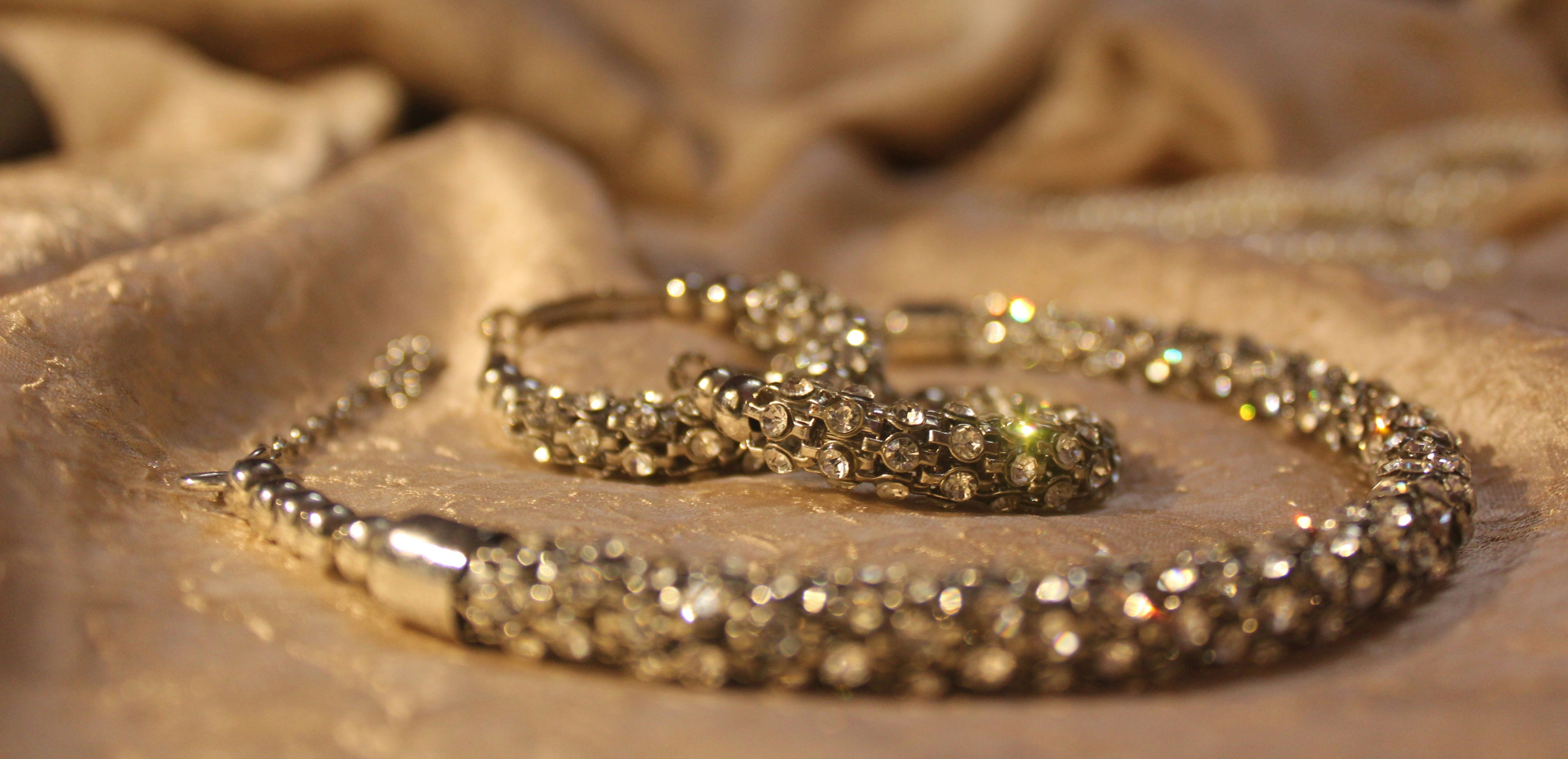
A Journey Through the History of Jewelry
The history of jewelry is a fascinating tapestry woven from the threads of different cultures, traditions, and social structures that have shaped human civilization. The origins of jewelry can be traced back to ancient times, where it served not only as decorative adornment but also as symbols of power and prestige. In ancient Egypt, for instance, jewelry was created with the belief that it held protective qualities, often made from gold and adorned with precious stones that signified wealth and the divine.
As we move through time, the impact of various cultures becomes evident in jewelry design and usage. The Renaissance marked a period of resurgence in art and culture in Europe, bringing about intricate designs that emphasized craftsmanship. Jewelry during this time was shaped by a renewed interest in classical themes, with the incorporation of gemstones and elaborate goldsmithing techniques. It transitioned from mere decoration to an expression of individuality and artistic expression, often depicting personal beliefs and statuses.
Fast forward to the 20th century, we see a significant shift in both the creation and context of jewelry. The influence of industrialization led to mass production, making jewelry more accessible to the broader public. Moreover, societal changes post-World War II brought about new meanings associated with jewelry, as it evolved from being solely status symbols to representations of emotional connections and personal identity. Pieces became cherished not only for their aesthetic value but also for the stories and memories they encapsulated.
Throughout history, jewelry has continuously adapted to reflect societal standards, personal tastes, and cultural significance. From ancient adornments to contemporary pieces, it remains an enduring aspect of human expression, symbolizing various facets of life, love, and legacy.
The Art of Craftsmanship in Jewelry Making
The intricate world of jewelry making is a blend of artistry and skilled craftsmanship that requires meticulous attention to detail. At the heart of this craft lies the selection of high-quality materials, which can include precious metals like gold and silver, as well as an array of gemstones. Each material brings its own unique characteristics, requiring artisans to carefully consider its properties during the design process. The choice of materials ultimately sets the foundation for the overall aesthetic and durability of the final piece.
The techniques used in jewelry making are varied and complex, with methods such as casting, forging, and stone setting playing crucial roles in transforming raw materials into beautiful adornments. Casting involves creating a mold for molten metal to flow into, allowing for intricate designs and shapes to be realized. Forging, on the other hand, involves shaping the metal through controlled hammering, providing unique textures and finishes. Stone setting is an art in its own right, requiring precision to securely position gems within the piece without detracting from their natural brilliance.
Furthermore, the role of skill and creativity cannot be overstated in the jewelry-making process. Master jewelers invest years in honing their techniques, and their unique perspectives contribute to innovative designs that push the boundaries of the craft. Iconic designers such as Cartier and Tiffany & Co. have made significant contributions to jewelry design, establishing trends and setting standards that continue to influence the industry today. Their creations showcase the symbiotic relationship between engineering precision and artistic expression, exemplifying the timeless allure of beautifully crafted jewelry.
Navigating Fashion Trends in Jewelry
In the ever-evolving realm of fashion, jewelry serves as a significant indicator of style and cultural shifts. Current trends in jewelry are characterized by an eclectic mix of innovation and nostalgia, reflecting broader societal influences as well as the unique tastes of iconic figures. Each season, we witness the emergence of specific materials and colors, often dictated by fashion shows, celebrity endorsements, and social media influencers.
This year has seen a notable rise in the popularity of sustainable materials, such as recycled metals and ethically sourced gemstones. Jewelry crafted from eco-friendly substances underscores a growing consciousness within the fashion industry, appealing to the environmentally aware consumer. Additionally, minimalistic designs featuring clean lines and geometric shapes continue to dominate, providing versatility that harmonizes with various outfits.
Color trends are also pivotal in determining the direction of jewelry styles. Earthy tones and pastel shades have gained traction, offering a refreshing contrast to the bold colors that once reigned supreme. These softer hues complement a wide array of palettes, enhancing the wearer’s overall aesthetic with ease. Furthermore, statement pieces, such as oversized earrings and chunky necklaces, are making a comeback, allowing individuals to express their personality through bold statements.
Aside from seasonal variations, the influence of celebrities and fashion icons plays a crucial role in shaping jewelry trends. Social media platforms showcase personal styles, making it easier for trends to proliferate quickly. Individuals aspiring to embody these looks can seamlessly integrate timeless pieces, such as classic pearl earrings or gold chains, into their wardrobes. By balancing contemporary styles with enduring designs, one can achieve a sophisticated and timeless aesthetic.
As fashion trends continue to evolve, keeping informed on the latest in jewelry allows enthusiasts to adapt and enhance their personal collections while maintaining a sense of timeless elegance.
Jewelry Care: Maintenance and Cultural Significance
Jewelry maintenance is crucial for preserving its beauty and extending its lifespan. Regular cleaning is recommended to maintain the luster and brilliance of gemstones and metals. For instance, jewelry pieces that are exposed to skin oils, lotions, or perfumes can accumulate residue over time. To clean most jewelry safely at home, a gentle solution of warm water and mild soap can be used. Employing a soft toothbrush will assist in reaching intricate designs without causing scratches. After cleaning, it is essential to rinse thoroughly and dry completely with a soft cloth.
Furthermore, safe storage plays a significant role in jewelry care. When not in use, jewelry should be stored in a cool, dry place, preferably in a fabric-lined box or pouches to prevent scratches and tangling. Each piece of jewelry, particularly those made from soft materials like pearls or opals, should be stored separately to avoid damage. Additionally, professional help should be sought when encountering issues like loose stones, broken clasps, or tarnished metals, as specialized care can enhance the durability of these treasured items.
The cultural significance of jewelry extends well beyond mere decoration. Throughout various societies, jewelry has played a crucial role in rituals and ceremonies. For example, in many cultures, wedding bands symbolize commitment and love, while other ceremonial pieces might represent milestones such as birth or coming-of-age. In addition to their aesthetic appeal, these items often hold deep cultural identity, conveying heritage, beliefs, and social status. Across cultures, jewelry has acted as a means of personal expression, showcasing individual style while also connecting individuals to their traditions. Thus, understanding the maintenance and cultural importance of jewelry not only emphasizes its aesthetic value but also its role as a significant element in human connections and societal structures.
